Qura Blog
Clear, evidence-based explainers on health, movement and prevention — written by our editorial team and reviewed by Qura’s medical team.
 Wellbeing · 12 Jun 2026High monocytes in blood tests: what the value means in the white blood cell differentialMonocytes are the largest type of white blood cell. High monocytes (monocytosis) means their number exceeds the reference range: it often reflects a recovery phase from an infection or inflammation, but it is a non-specific finding, to be read together with the other white blood cells, the clinical picture and the trend over time.
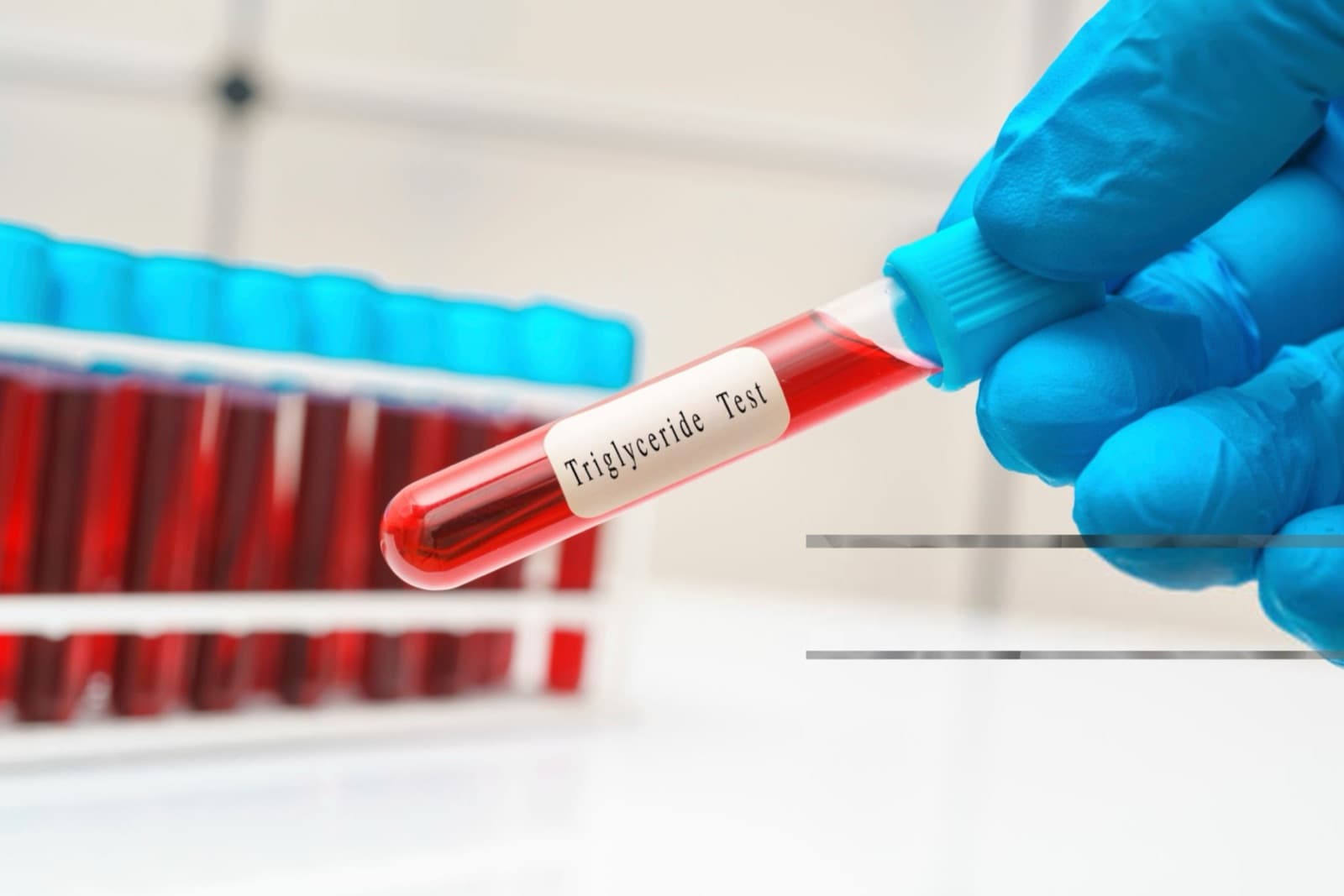 Wellbeing · 11 Jun 2026High triglycerides: what the value means in blood tests and how to read it together with cholesterolTriglycerides are the most abundant fats in the blood and act as an energy store. A high value indicates that more than expected is circulating — usually due to diet, alcohol, weight or blood sugar, not a specific disease — and it is not read on its own, but together with HDL and LDL cholesterol and the trend over time.
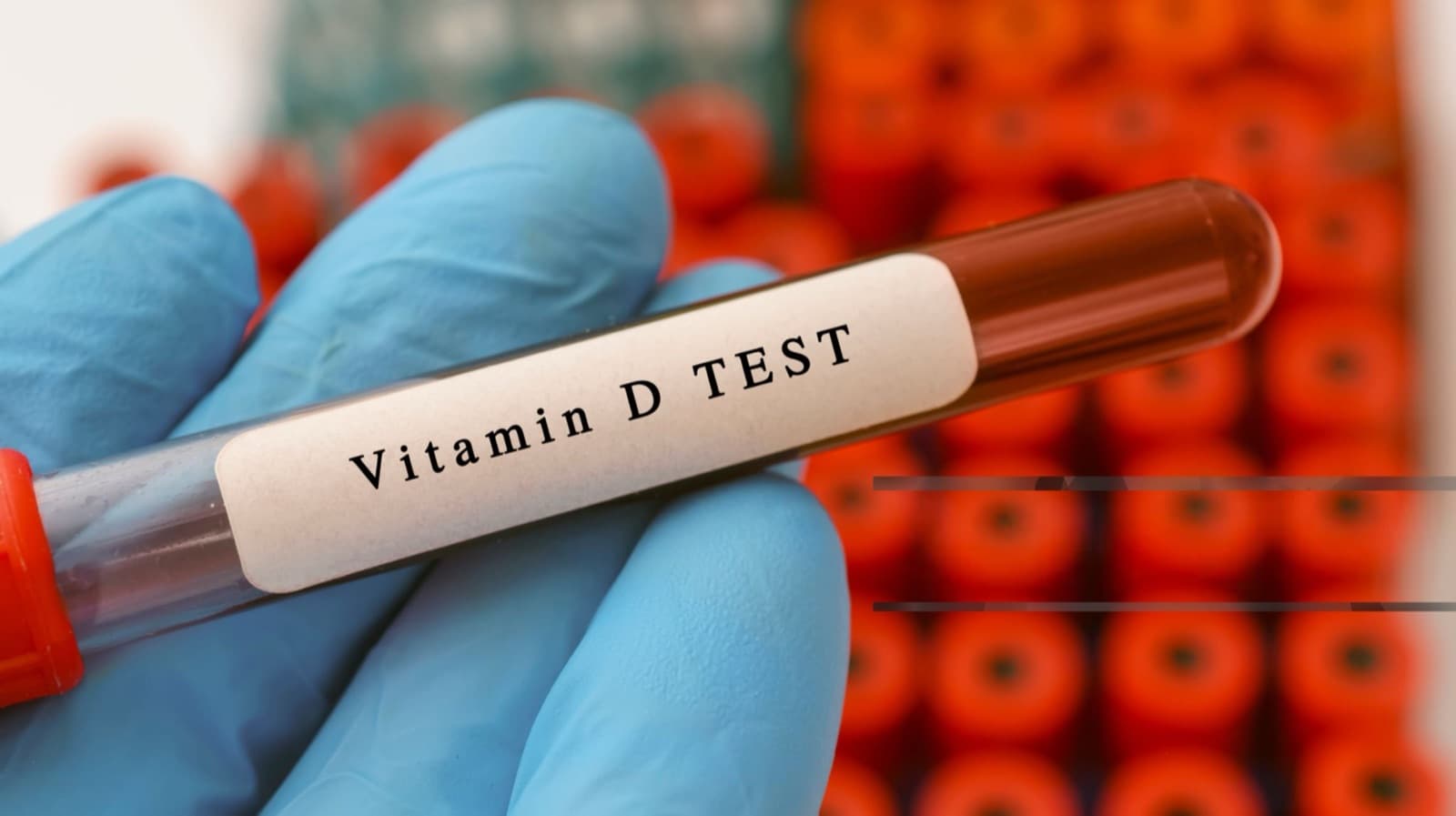 Wellbeing · 10 Jun 2026Low vitamin D: what the tests show and why the values must be read carefullyIn blood tests vitamin D is measured as 25-OH vitamin D (calcidiol), the form that reflects the body’s stores. A low value indicates reduced reserves — most often from little sun exposure or reduced intake — not a disease in itself, and should be interpreted together with calcium, phosphorus and parathyroid hormone and over time.
 Wellbeing · 9 Jun 2026High TSH: what the value indicates in blood tests and why it should be read together with FT3 and FT4TSH is the signal by which the pituitary regulates the thyroid: a high TSH indicates that the pituitary is stimulating an underactive thyroid more, and it is the first marker of hypothyroidism. But a single value says little: it takes on meaning only when read together with FT4, FT3 and anti-thyroid antibodies and by following the trend over time.
 Wellbeing · 8 Jun 2026High creatinine: what it indicates and when to worryCreatinine is a muscle waste product that the kidneys filter and eliminate: a high value signals that the kidneys are filtering less than expected, but it is not a diagnosis. It also depends on muscle mass, hydration and diet, and should always be read together with eGFR, urea and microalbuminuria and the trend over time.
 Wellbeing · 7 Jun 2026High gamma-GT: what the value indicates and when it is liver-relatedGamma-GT (GGT) is an enzyme found mainly in the liver and bile ducts. A high value signals possible liver or biliary strain, but it is a sensitive and non-specific marker: it indicates that something is moving, not the cause. It must always be read together with the other liver tests.
 Wellbeing · 6 Jun 2026High fasting blood sugar: what it indicates and which tests complete the pictureWhen fasting, blood sugar is considered high above 100 mg/dL: between 100 and 125 it is called impaired fasting glucose, from 126 upwards — confirmed — it meets the criteria for diabetes. But an isolated value says little: it must be read together with insulin, glycated hemoglobin and the trend over time.
 Wellbeing · 5 Jun 2026High ferritin: causes, meaning and when you should investigateFerritin is the protein that stores iron, and its level in the blood reflects your available reserves. High ferritin usually indicates ample reserves, but it is also a marker of inflammation: that is why an elevated value does not in itself mean excess iron, and must always be read together with other tests.
 Wellbeing · 4 Jun 2026High C-reactive protein: what it indicates and when it should be investigatedA high C-reactive protein indicates that an inflammatory process is underway in the body. CRP is a non-specific marker: it signals that there is inflammation, but not where or why. A single elevated value is not enough for a diagnosis and must always be read together with the other tests and the clinical picture.
 Wellbeing · 2 Jun 2026Normal blood test values: what reference ranges really meanA value out of range is not a diagnosis: the reference range is a statistical convention built on the healthiest 95% of people, so even someone who is well can fall outside it. What matters is context — age, clinical history, symptoms, the trend over time and related markers — not the single number.
 Wellbeing · 1 Jun 2026How to read blood test results: a practical guide to the key valuesBlood tests are not read by comparing a single value against a threshold: they must be interpreted in the context of the person — age, medical history, symptoms — and by cross-checking related parameters. Here is how a report is organized and what to actually look at.

Understand how you really are.
Available on iPhone & Android