Blood tests without a prescription: where to have them and how it works
Written by
Redazione Qura
Medically reviewed by
Dott.ssa Margherita Gabba · Internal medicine
Category
Wellbeing
The Qura editorial team curates and fact-checks health content together with the doctors in the Qura network, with the goal of making test results understandable and useful.
In Italy you can have blood tests without a prescription at any private laboratory, and at many accredited facilities by paying the private rate. You just choose the tests, turn up fasting when required and collect the report, usually online. The part that needs the most care comes before and after the blood draw: deciding what to measure and understanding what the results say.
On this page
In Italy you can have blood tests without a prescription at any private laboratory, and at many accredited facilities by paying the private rate. You just choose the tests, turn up fasting when required and collect the report, usually online. The part that needs the most care comes before and after the blood draw: deciding what to measure and understanding what the results say.
Where to have them
There are three main routes, and they serve different purposes.
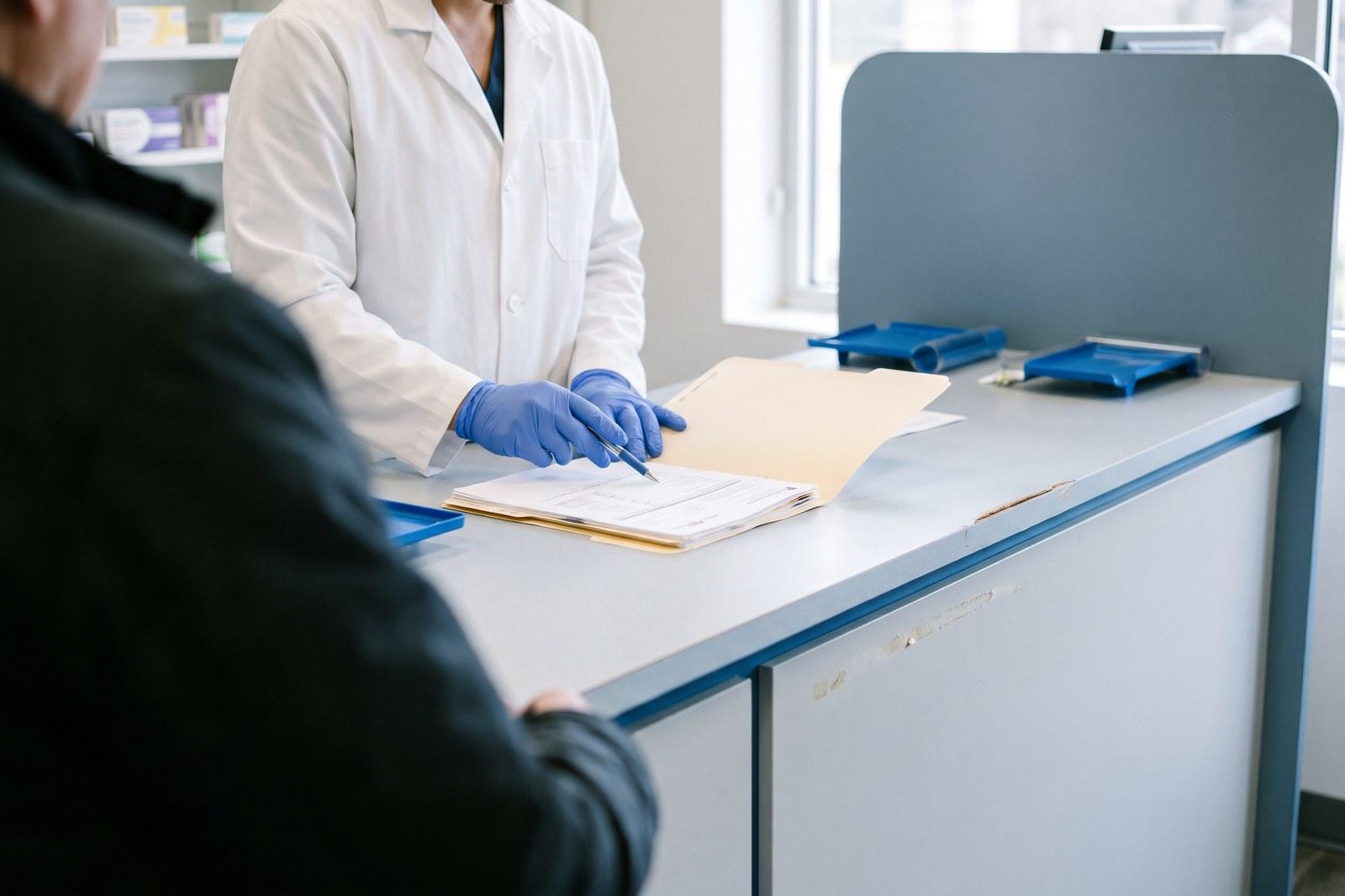
Private testing laboratories. These are the most common choice. They accept requests directly from the person, often without an appointment for routine tests, and have a price list for each test or for test packages.
Public and accredited facilities, as private patients. In many regions, hospitals and centres accredited with the Italian National Health Service (Servizio Sanitario Nazionale, SSN) also accept patients without a prescription, at a private rate that differs from the ticket (the patient co-payment). The rules vary from one region to another, so it’s worth asking at the blood collection point.
Pharmacies. Under the pharmacy services scheme (farmacia dei servizi), introduced by Legislative Decree 153 of 2009, many pharmacies carry out rapid tests on a drop of blood taken from the finger, such as blood glucose, cholesterol and triglycerides. They’re useful for a quick check, but they measure few parameters and use a different method from a venous blood draw in a laboratory, so the results aren’t always comparable.
How it works, step by step
- Choosing the tests. The laboratory carries out the tests the person requests, even without a prescription, and many centres offer ready-made packages.
- Booking. For routine blood draws many laboratories work on a walk-in basis in the morning, while some specific tests require an appointment.
- Preparation. Blood glucose, insulin, cholesterol and triglycerides usually require 8-12 hours of fasting, with water only, and for some hormones the time of day or the day of the menstrual cycle also matters.
- The blood draw. At the collection point you need an identity document, and the draw takes a few minutes.
- The report. For the most common tests it arrives within a few days, often with a code to download it online.
Which tests to choose
This is the most important question, and also the one most often skipped. A long list of tests chosen at random costs more and tells you no more: the value of a check-up depends on how closely the tests relate to the questions a person has about their own health.
Some tests are often prescribed by GPs, such as a full blood count, blood glucose, cholesterol and creatinine. Others rarely make it onto a prescription in the absence of symptoms, because of the principle of prescribing appropriateness on which the Italian National Health Service is based. These include fasting insulin, which together with blood glucose allows the HOMA index to be calculated, apolipoprotein B for cardiovascular risk, vitamin D, ferritin and thyroid hormones beyond TSH. These are the tests for which going without a prescription makes the most sense.
After the blood draw: reading the results
The report shows each value alongside the laboratory’s reference interval. A value above or below the interval signals that something needs looking at, but on its own it isn’t enough to say what’s going on: according to international laboratory guidelines, the interval covers the central 95% of healthy people (CLSI, 2010), and a single value slightly outside it can be entirely harmless, while a value within the interval may deserve attention when read together with the others.
Searching Google for an unusual value brings up answers of every kind. That’s why the report should go to your doctor, who reads it in the context of your medical history, the medicines you’re taking and your other tests.
Tests without a prescription and prevention
Having tests done on your own is easy. The harder step is turning them into a programme: choosing the right parameters, reading them together and repeating them over time to see whether anything changes.
The qura check-up is done without a prescription at a partner clinic and covers more than 80 blood and urine parameters, including some that rarely feature in routine tests, such as fasting insulin and apolipoprotein B. During the consultation your doctor interprets the results with you, in the context of your overall picture and your lifestyle, and tells you which values to recheck.
Sources
- Clinical and Laboratory Standards Institute (CLSI). Defining, establishing, and verifying reference intervals in the clinical laboratory. EP28-A3c. 2010. clsi.org
- Decreto legislativo 3 ottobre 2009, n. 153. Nuovi servizi erogati dalle farmacie. normattiva.it
- DPR 22 dicembre 1986, n. 917 (Testo unico delle imposte sui redditi), art. 15. normattiva.it
Frequently asked questions
Can tests done without a prescription be claimed as a tax deduction?
Yes. Under Article 15 of the Testo unico delle imposte sui redditi (Italy’s consolidated income tax law), spending on tests is deductible at 19% on the amount above 129,11 euro a year. At private facilities, payment must be traceable.
Can my GP read tests done privately?
Yes. A private laboratory’s report has the same standing, and your doctor can take it into account like any other test.
Do men and women need different tests?
The core is the same. Some hormones differ and, for women of childbearing age, there’s more attention to ferritin and iron.
Tags
- blood tests without prescription
- private blood tests italy
- blood test results