Insulin resistance: what it is and why fat builds up on the belly
Written by
Redazione Qura
Medically reviewed by
Dott.ssa Margherita Gabba · Internal medicine
Category
Wellbeing
The Qura editorial team curates and fact-checks health content together with the doctors in the Qura network, with the goal of making test results understandable and useful.
Insulin resistance is a condition in which cells respond less to insulin, the hormone that moves glucose into the tissues, and the pancreas has to produce more of it to keep blood sugar stable. Belly fat and insulin resistance feed each other: deep abdominal fat worsens the response to insulin, and high insulin levels encourage fat to build up. If your waist circumference has increased in recent years, it’s one of the signs to take to your doctor.
On this page
Insulin resistance is a condition in which cells respond less to insulin, the hormone that moves glucose into the tissues, and the pancreas has to produce more of it to keep blood sugar stable. Belly fat and insulin resistance feed each other: deep abdominal fat worsens the response to insulin, and high insulin levels encourage fat to build up. If your waist circumference has increased in recent years, it’s one of the signs to take to your doctor.
What insulin resistance is
After a meal, glucose passes into the blood and the pancreas releases insulin, which moves it into the muscles, the liver and adipose tissue. When these cells become less sensitive, more insulin is needed to achieve the same effect.
For years the pancreas manages to compensate, and blood sugar stays within the reference interval while insulin rises. It’s this phase, often without symptoms, that makes insulin resistance hard to spot with routine tests alone. When the pancreas can no longer keep up, blood sugar starts to rise, first towards prediabetes and, if nothing changes, towards type 2 diabetes.
Belly fat: two different types
Not all abdominal fat is the same. Subcutaneous fat, the kind you can pinch between your fingers, behaves much like fat elsewhere in the body. Visceral fat, which builds up deep around the organs, is far more metabolically active.
Visceral fat releases fatty acids and inflammatory substances that reach the liver directly through the portal circulation. There they interfere with the action of insulin and push the liver to produce more glucose and more triglycerides. This is one of the reasons why, at the same weight, people who store fat around the belly have on average a worse metabolic profile than those who store it on the hips and thighs (Després and Lemieux, 2006).
Why high insulin favours belly fat
The cycle also works the other way round. As well as moving glucose into cells, insulin is a hormone that promotes fat storage and slows fat use. When it stays high for much of the day, the body struggles to draw on its reserves, and fat tends to concentrate in the abdominal area in particular.
Other factors push in the same direction: a sedentary lifestyle, poor sleep, chronic stress with its effect on cortisol, alcohol, and after the menopause the fall in oestrogen, which shifts fat from the hips towards the abdomen. Genetics matters too: with the same habits, some people build up visceral fat more easily than others.
How to tell
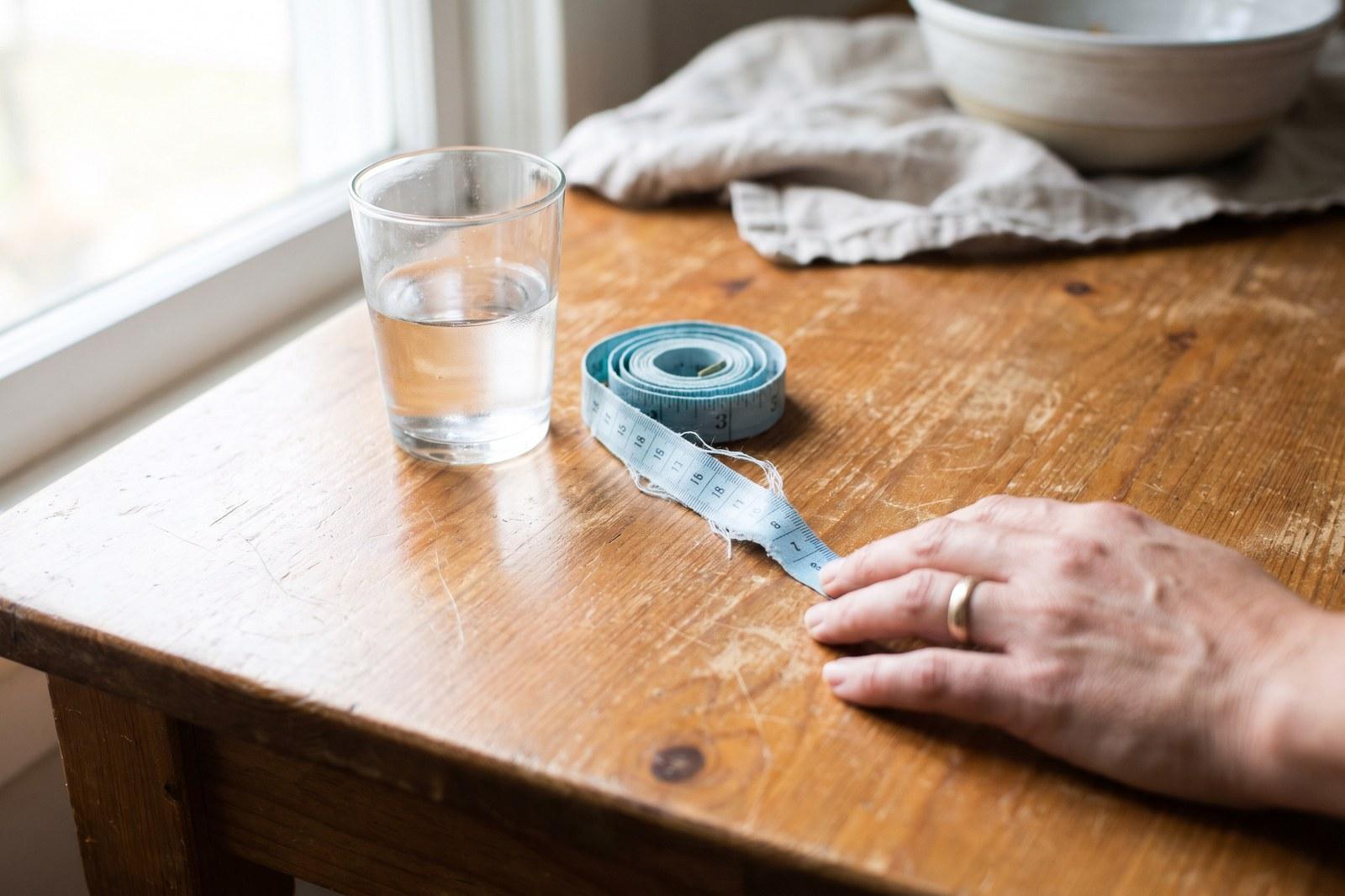
A first indicator can be measured at home, with a tape measure. According to the criteria shared by the main scientific societies for people of European origin, a waist circumference of 94 cm or more in men and 80 cm or more in women indicates increased metabolic risk (Alberti et al., 2009). The measurement is taken standing, at the end of a breath out, midway between the lowest rib and the top of the hip bone.
Blood tests complete the picture. Fasting blood glucose and insulin allow the HOMA index, which estimates insulin resistance, to be calculated. High triglycerides, low HDL cholesterol and rising glycated haemoglobin are other signs that your doctor reads together.
The signs that may point to insulin resistance are few and not very specific:
- an increasing waist circumference
- tiredness or drowsiness after meals
- frequent hunger, especially for sweet foods
- difficulty losing weight
- darker, velvety patches of skin on the neck or under the armpits, called acanthosis nigricans.
In women it should also be considered when there are irregular periods or signs of excess androgen hormones: international guidelines on polycystic ovary syndrome recognise insulin resistance as one of its central features (Teede et al., 2023).
It can be reversed
Visceral fat is the first to respond to change. With even moderate weight loss and regular physical activity it tends to shrink more than subcutaneous fat, and insulin sensitivity improves along with it. In the Diabetes Prevention Program, people with prediabetes who lost about 7% of their weight and did 150 minutes of physical activity a week reduced their risk of developing diabetes by 58% over about three years (Knowler et al., 2002).
This is something you can act on, and the sooner the better. A diet rich in fibre and low in simple sugars, daily movement, strength training, which increases the muscle mass able to use glucose, and enough sleep all work in the same direction.
Start from your numbers
Noticing that insulin is rising while blood sugar is still stable means having years to act. Yet insulin rarely features in routine blood tests, even though it’s one of the earliest indicators of metabolic changes. That’s why it’s always included in the qura check-up, and during the consultation your doctor interprets it with you, in the context of your overall picture and your lifestyle.
Sources
- Alberti KGMM, Eckel RH, Grundy SM, et al. Harmonizing the metabolic syndrome. Circulation. 2009;120(16):1640-1645. doi:10.1161/CIRCULATIONAHA.109.192644
- Després JP, Lemieux I. Abdominal obesity and metabolic syndrome. Nature. 2006;444(7121):881-887. doi:10.1038/nature05488
- Knowler WC, Barrett-Connor E, Fowler SE, et al. Reduction in the incidence of type 2 diabetes with lifestyle intervention or metformin. N Engl J Med. 2002;346(6):393-403. doi:10.1056/NEJMoa012512
- Teede HJ, Tay CT, Laven JSE, et al. Recommendations from the 2023 international evidence-based guideline for the assessment and management of polycystic ovary syndrome. Hum Reprod. 2023;38(9):1655-1679. doi:10.1093/humrep/dead156
Frequently asked questions
Can you have insulin resistance even if you’re slim?
Yes. Even without excess weight, visceral fat can build up, especially with little physical activity and low muscle mass.
Do sit-ups get rid of belly fat?
They strengthen the muscles, but visceral fat is reduced through whole-body movement, diet and overall weight.
Does insulin resistance cause symptoms?
Often not, for years. When symptoms do appear, the most common are tiredness after meals, frequent cravings for sweet foods and difficulty losing weight, but these are not very specific signs: tests are needed to find out.
Can insulin resistance be cured?
It can improve a great deal, and in many cases the values return within the reference interval. What works is whatever reduces visceral fat and gets the muscles working: diet, movement, sleep and, if needed, weight.
What should you eat with insulin resistance?
Vegetables, pulses, wholegrains, fish and extra virgin olive oil, with few simple sugars and few refined flours. The principles are in the article on the insulin resistance diet, and an example week is in the weekly meal plan.
Tags
- insulin resistance
- belly fat
- visceral fat