


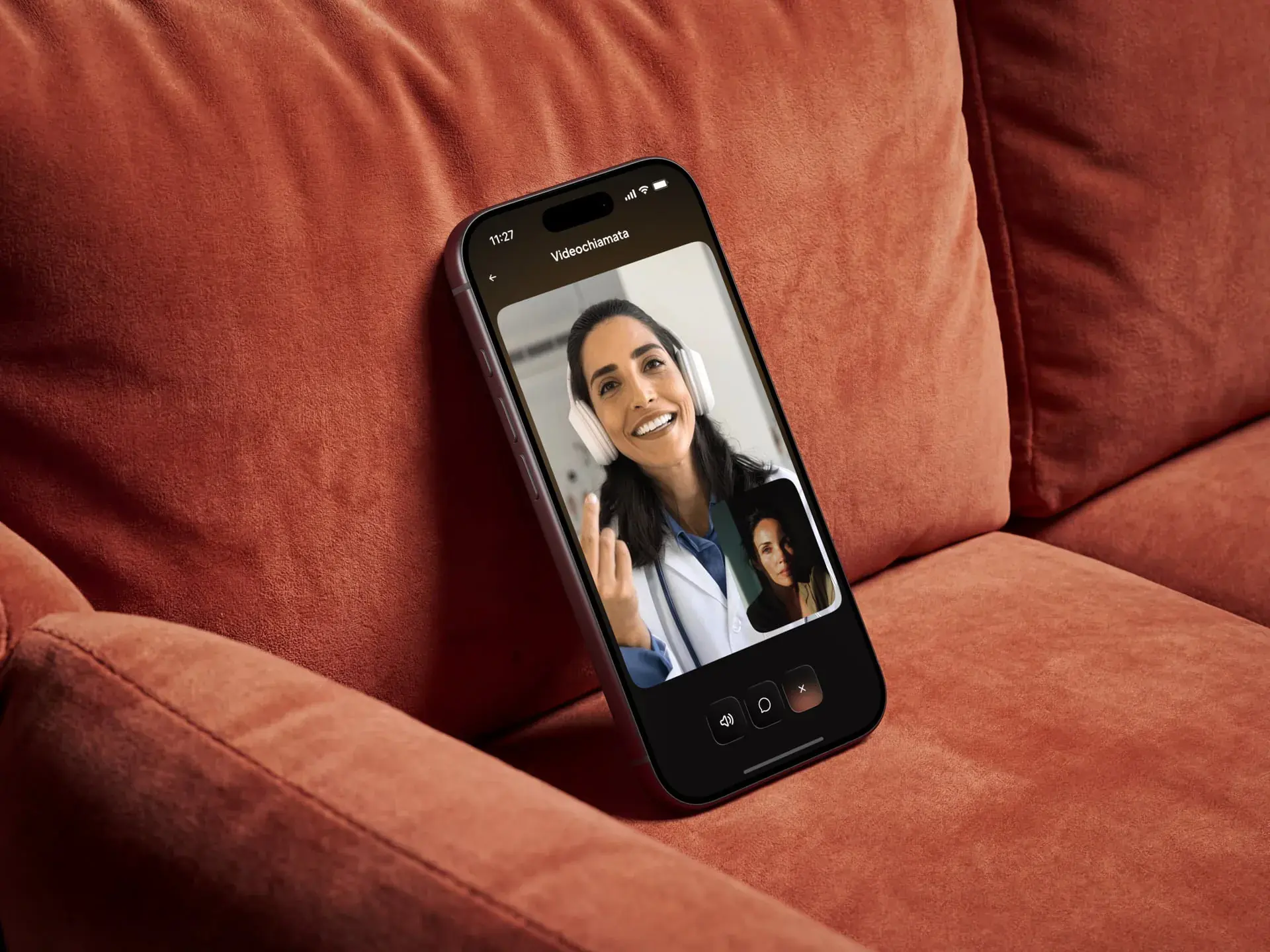
What abdominal bloating is
It is the feeling of a full, tight stomach, sometimes with a visibly bigger belly. It turns up after meals, or builds through the day. It is a common complaint and, on its own, rarely a sign of anything serious.
Five minutes to tell us about your meals, your symptoms and your cycle. Your dedicated doctor starts there, then reads your blood results.


The starting point. A few minutes to tell us your clinical history, your habits and your goals. It is the ground your doctor builds everything else on.
More than 80 parameters at one of 170+ partner clinics in Italy, from a single draw.
A 45-minute online consultation to read your results together.
Concrete guidance built on your own data, with clear priorities on what to tackle now and what to monitor.
The same doctor, with in-app chat and the option of follow-ups.
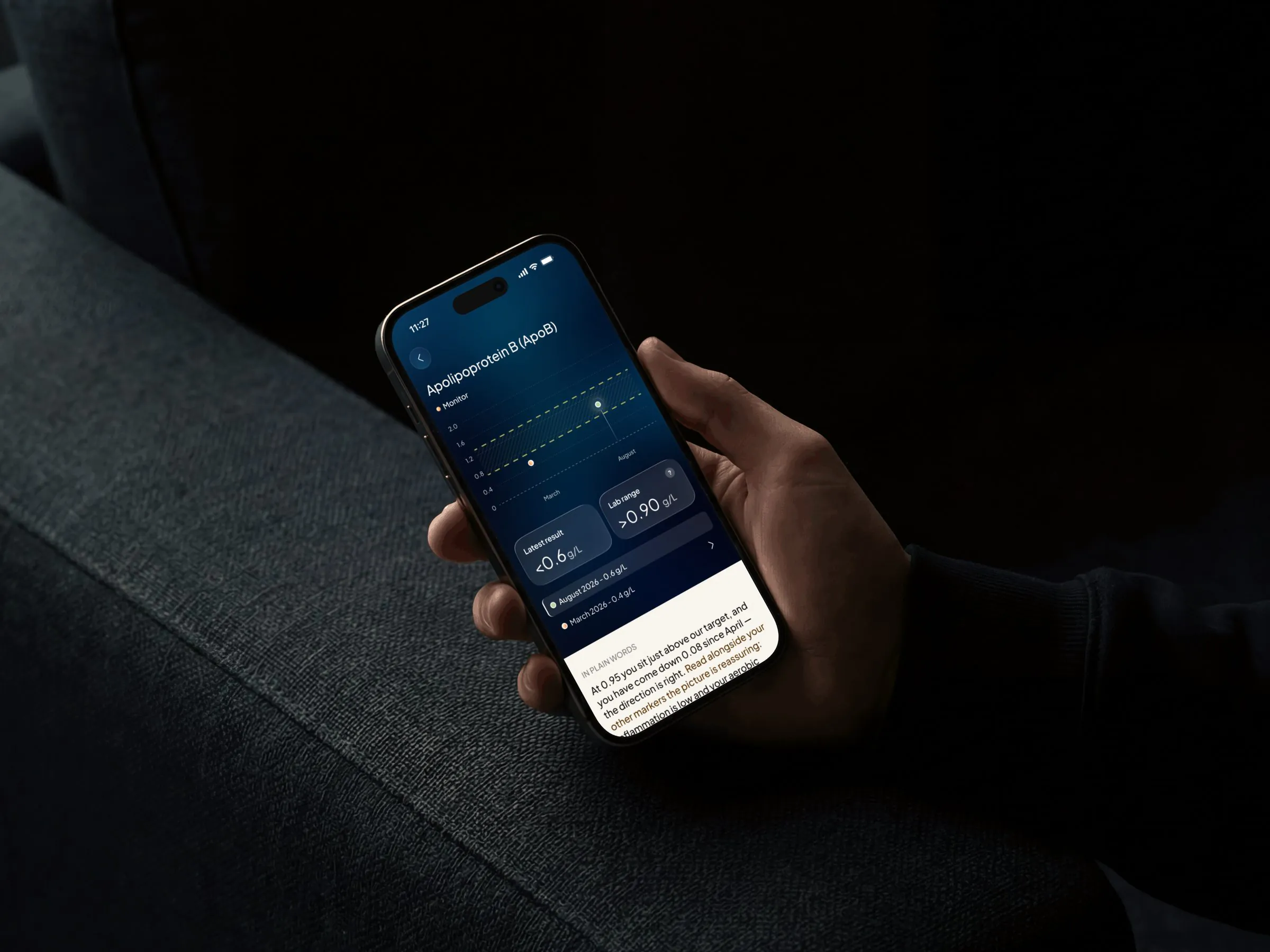
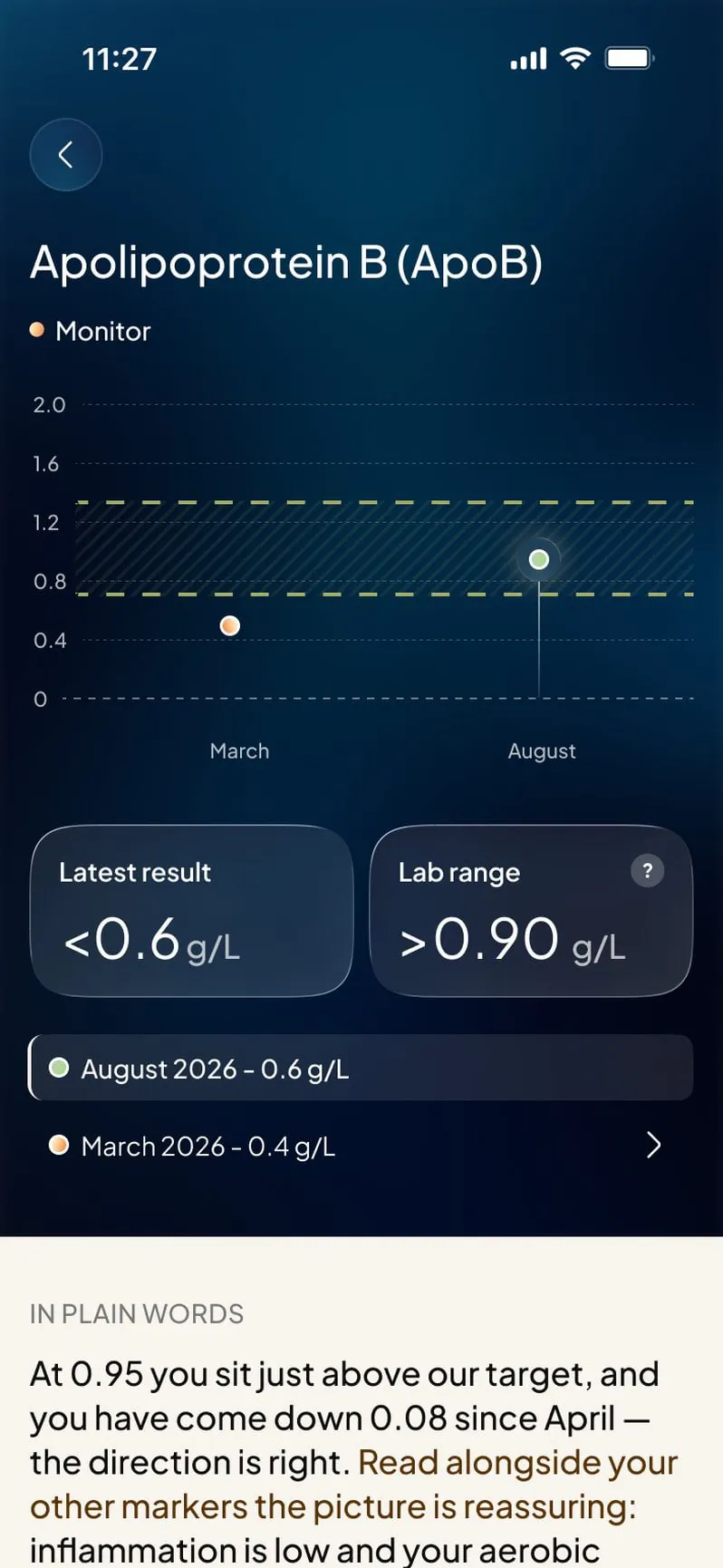
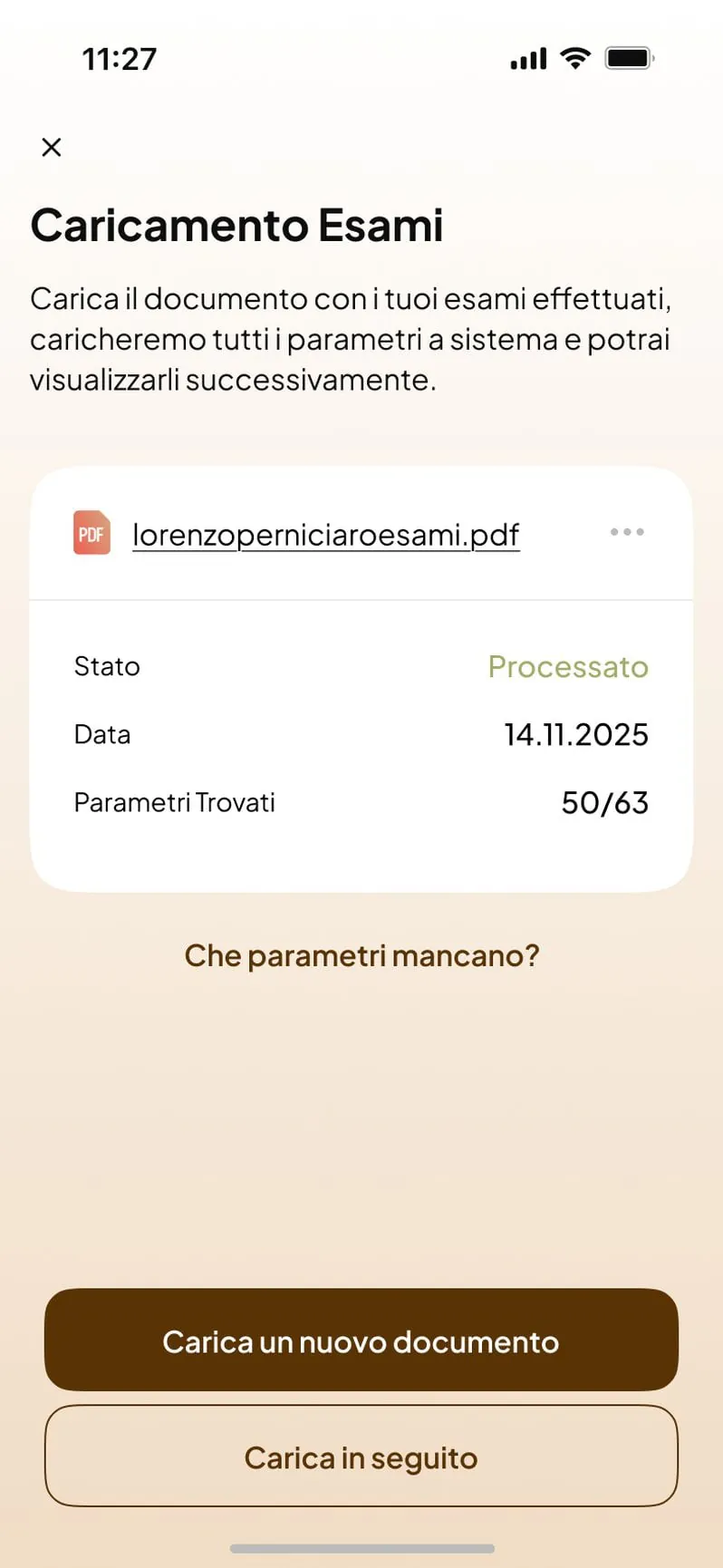
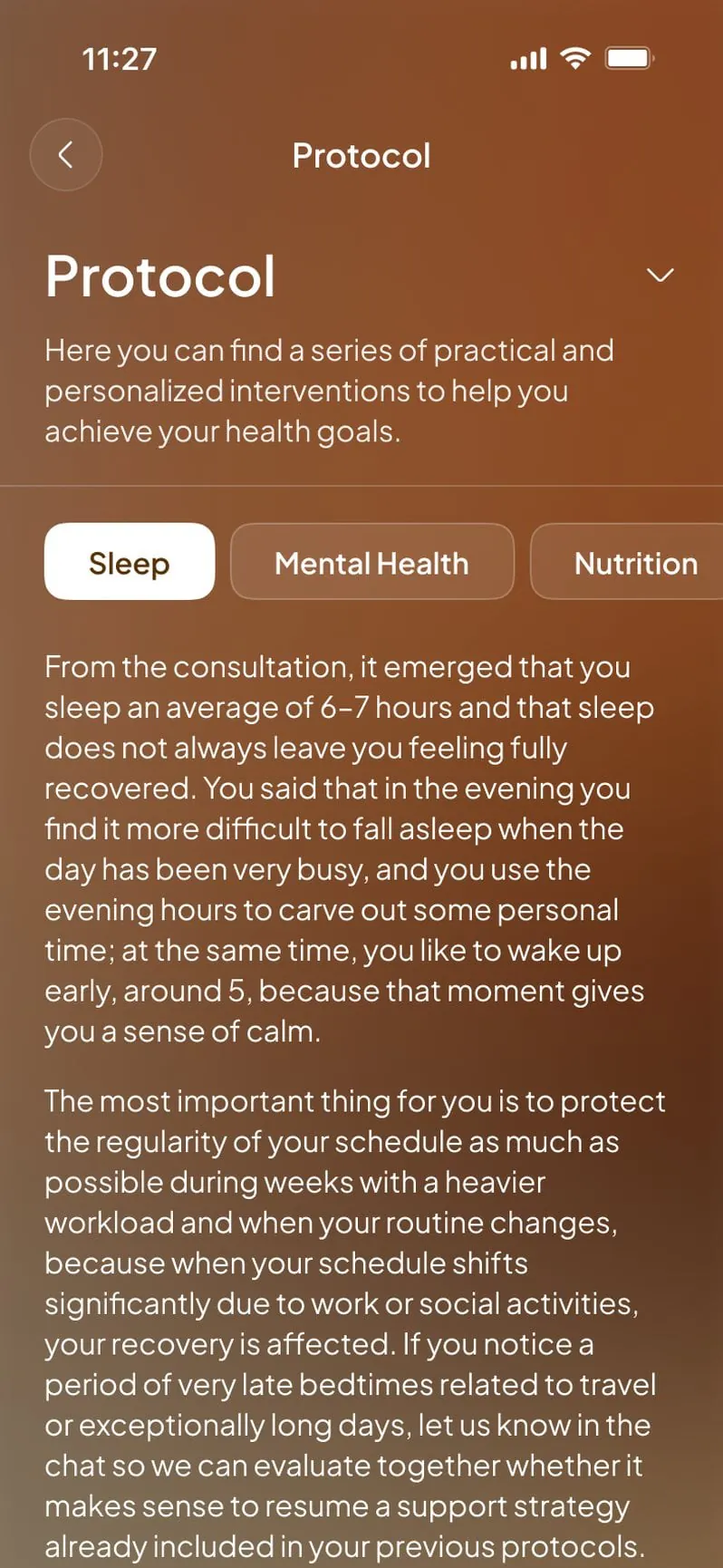
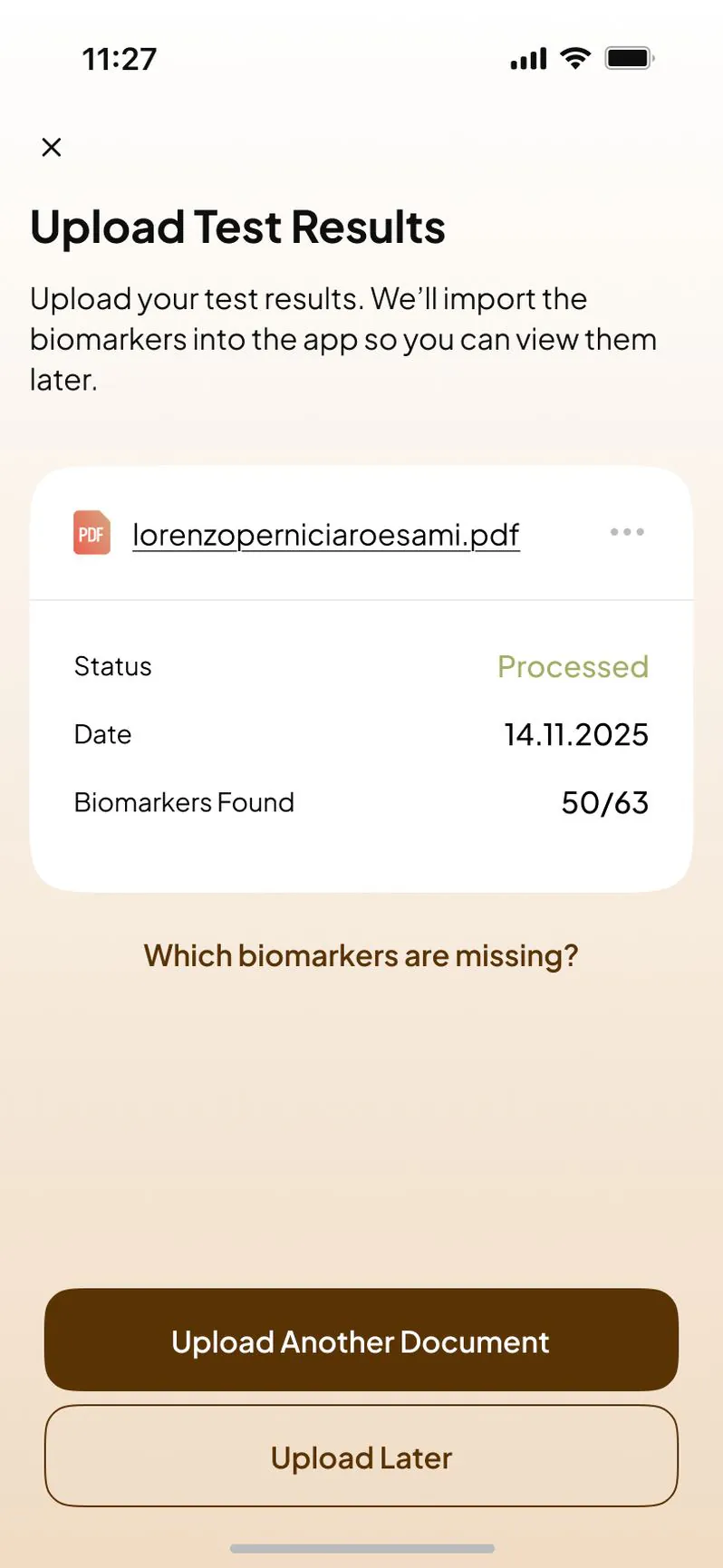
You will find it in the platform after your blood draw and your consultation. See what is in the app


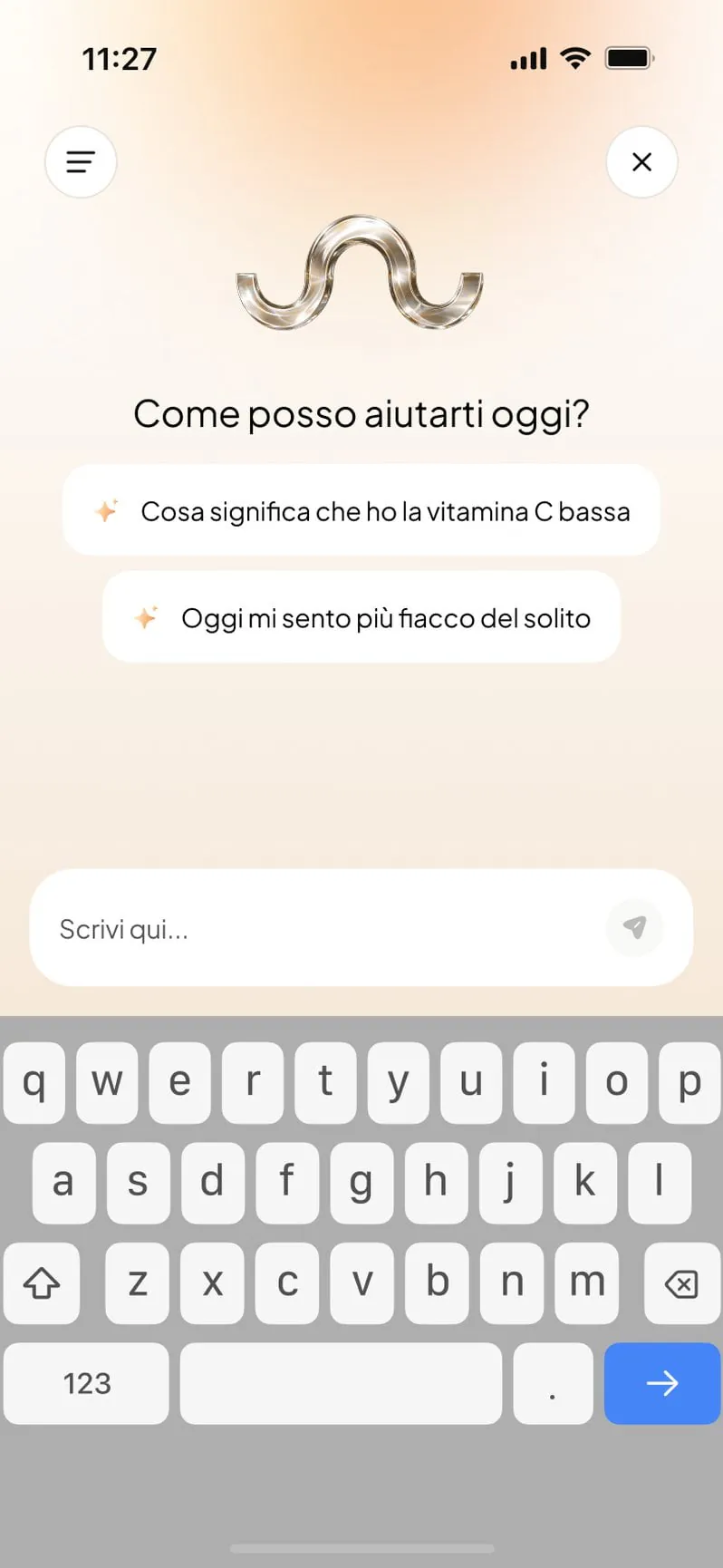
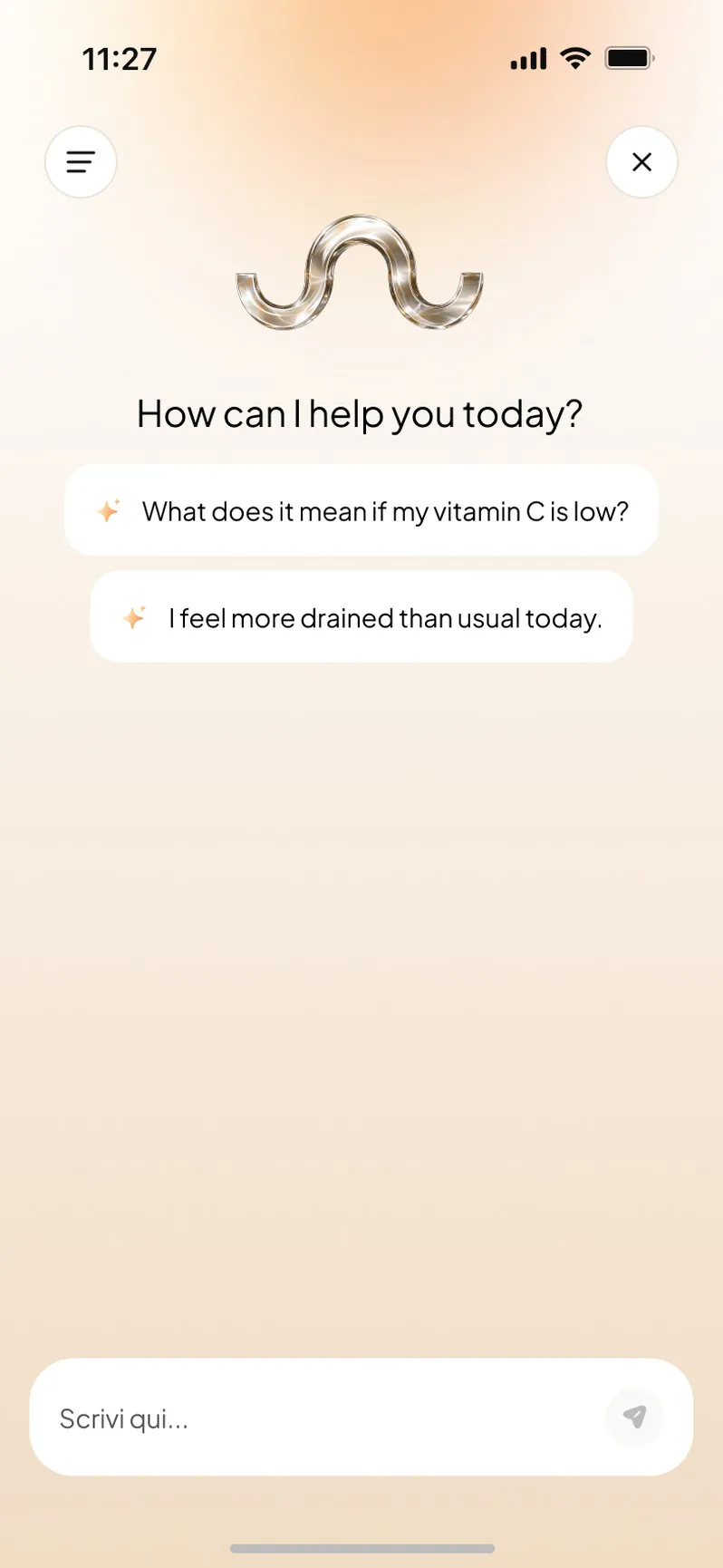
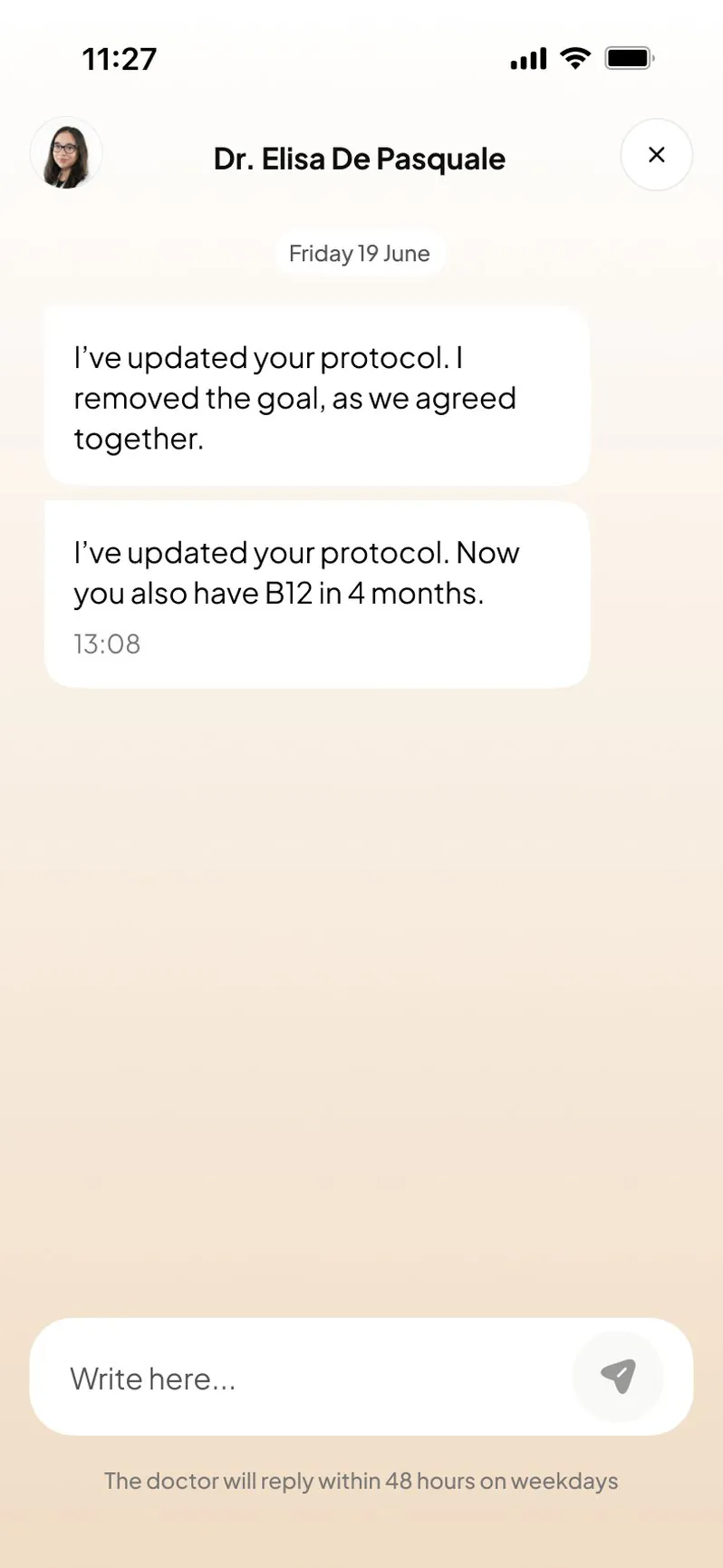
Your doctor in chat
Message your Qura Doctor and get answers between appointments.
Let’s get to know each other
The clinical questionnaire that decides who follows you, and what they will look for in your results.
A specialist doctor who knows your history, studies your lab reports, listens to your goals, and stays beside you all year.
The right doctor for you
Chosen on your needs and your health goals.
A first meeting
You look at your lab reports together, for a clear picture of your health.
The same doctor, all year
The person who read your lab reports and wrote your protocol, and who follows how your health moves with regular check-ups.
If the doctor you were matched with is not right, change them
You can do it yourself, from the platform.
The same doctor for twelve months: the one who read your lab reports and wrote your protocol.












Bloated even when you eat little?
Cutting foods out at random makes it harder to tell what is working, and in the case of coeliac disease it can skew the test. It is better to know where it comes from first.
With Qura you measure more than 80 parameters and spend 45 minutes on them with a dedicated doctor.
It is the feeling of a full, tight stomach, sometimes with a visibly bigger belly. It turns up after meals, or builds through the day. It is a common complaint and, on its own, rarely a sign of anything serious.
Your stomach is flat in the morning and not in the evening. After lunch your waistband is tight. You feel wind and cramps, sometimes constipation, sometimes the opposite.
If the bloating comes with unexplained weight loss, blood in your stool, vomiting or a fever, or if it starts for the first time after 50, talk to your GP straight away.
Blood shows signals that point somewhere: low iron or vitamin B12 when the gut absorbs badly, inflammation, an underactive thyroid.
| What Qura looks at in the Complete plan | What stays outside |
|---|---|
| Full blood count | Coeliac antibodies: included in Qura Completo Plus |
| Ferritin, serum iron, transferrin | Breath tests for lactose and SIBO |
| Vitamin B12 and folate | Faecal calprotectin |
| TSH, with FT3 and FT4 when TSH is out of range | Abdominal ultrasound and gastroscopy |
| C-reactive protein and ESR | |
| Eosinophils, tied to allergies | |
| Liver: transaminases, gamma GT, albumin, total protein | |
| Glucose, insulin, HOMA index |
And then?
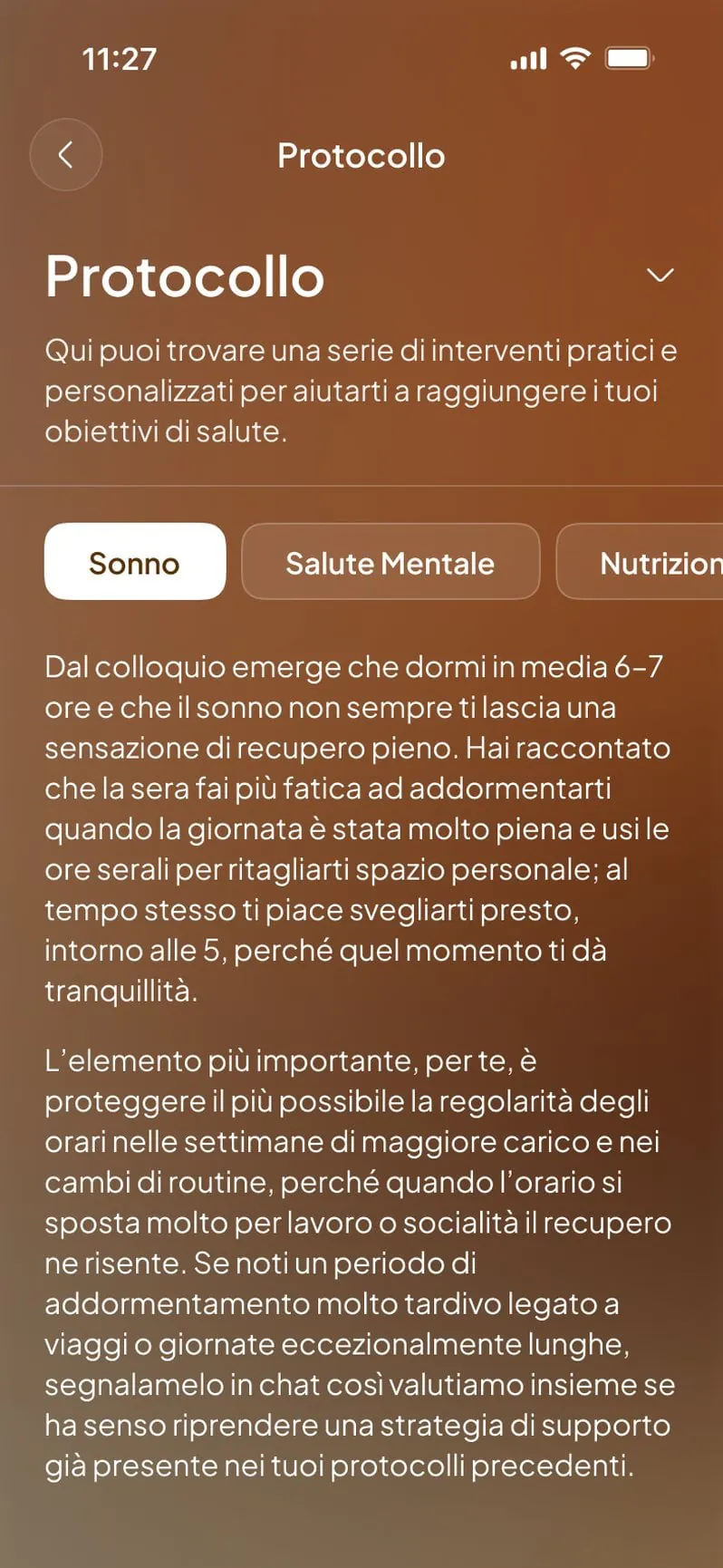
Every out-of-range value enters your protocol with an action and a priority. If a supplement is needed, your doctor writes down which one, how much, at what time of day and for how long. Not a list of numbers to carry to somebody else.

Keep a diary for two weeks: what you eat, at what time, when you bloat. Eat more slowly and cut down on fizzy drinks.
Do not cut gluten out before you have taken the coeliac test. With no gluten in your diet the test can come back negative even when coeliac disease is there.
With Qura you do the blood and urine analysis, more than 80 parameters, and spend 45 minutes on it with a dedicated doctor who reads the values alongside what you tell them about meals and symptoms. The doctor writes your protocol and follows you for twelve months.
When a breath test, an ultrasound or a gastroenterologist is what you need, your doctor tells you so, and points you where to go.
Clinical case
At the start
187pg/mL
Below the 200 pg/mL reference threshold.
Six and a half months later
417pg/mL
Within the reference range.
One real case, anonymised. Every path is different: what changes, and how long it takes, depends on the person’s own results.
 Excellent 4.8 out of 5
“I needed a system to put my needs back at the centre. Qura helped me clear up my doubts and connect the dots.”
Elena, 36
Milano, IT
“For the first time someone looked at everything together, not one number at a time.”
Roberto, 31
Torino, IT
Your health shouldn’t depend on a once-a-year check-up, without those values turning into something concrete.
Have insurance or welfare benefits?
You may be able to reduce the cost of Qura through insurance, welfare or tax benefits.

Want the coeliac antibodies too? They are included in Qura Completo Plus, at € 465 a year.How you pay Qura: Klarna applies only to the € 116 membership. You pay the € 249 at the clinic — that is the share your policy can reimburse and the one you claim against tax.
Do you have health insurance?
You can recover up to € 249. The lab share falls within the limits of many health policies. Reimbursement is indirect: you pay at the lab and send the invoice to your insurer. Book a preliminary consultation · See your options
Want to claim your medical expenses?
The lab share (€ 249) is a medical expense: you claim it at 19% in your tax return. It applies with no policy at all.
FAQ
The first step is the clinical questionnaire. It takes five minutes.